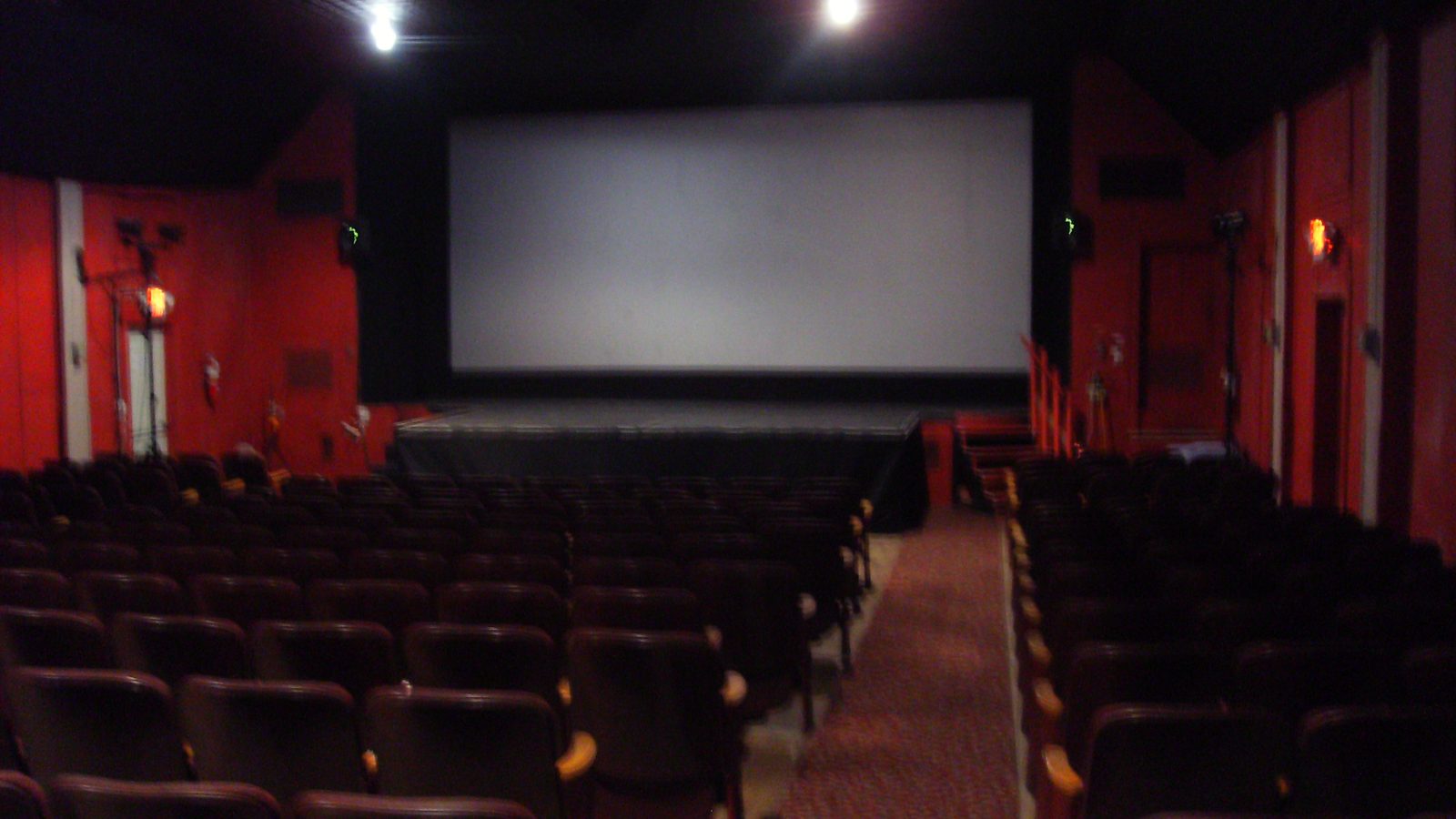
Lecture Room 2 seats 290 in 1,058 m³ — 3.6 m³ a seat, which is the density a teaching room runs at and roughly a third of a concert hall’s. The target was 0.6 to 0.8 s and the computed figure is 0.70 s at 500 Hz. Below 0.6 s a lecturer has to work at their voice all day and finds the room unrewarding to speak in; above 0.8 s the tail of one word starts arriving during the next and intelligibility falls away for exactly the students furthest from the speaker, who are also the ones least likely to say so.
The instinct in a room like this is to line the whole ceiling in acoustic tile. We lined 120 m² of it — under half — and left 282 m² in plaster. A fully tiled ceiling here computes to 0.43 s, and the room would have been dead, tiring, and quietly dependent on the sound system for anything above the third row. The remaining plaster is not neglect; the front third of the ceiling is hard and canted forward so that it returns the lecturer’s own voice to the middle of the rake as an early reflection, which arrives inside the 50 ms window where the ear counts it as part of the direct sound rather than as reverberation.
Seating is modelled as 150 m² of empty upholstered seats rather than as occupied audience, because a teaching room is very often half full and the specification for these seats was written so that the difference matters as little as possible. Upholstery chosen to sit close to the occupied absorption figure means an 80-student tutorial and a 290-student lecture happen in acoustically similar rooms. It costs perhaps eight per cent more per seat and it is the single most useful thing you can do for a university that does not know its own timetable two years out.
The 38.8 m² of glazing on the long wall is ordinary window glass rather than the plate the facade consultant wanted, and we asked for it. Thin glass flexes, and flexing glass takes out low frequency: 0.35 at 125 Hz against plate’s 0.18. In a room this size that single change is worth about a tenth of a second in the bass and cost nothing, because it is the cheaper product. Not every acoustic improvement is an expense; some of them are a specification written by somebody who knew which way round the numbers went.
A distributed speech-reinforcement system is installed and is switched off for most teaching. It exists for the lecturer with a quiet voice and for the days when the ventilation runs hard, and it is set 6 dB below the level at which it becomes obvious. A room that needs its loudspeakers to be intelligible has failed; a room that has them and rarely uses them has a margin.